Advancing Design Application & Specialization
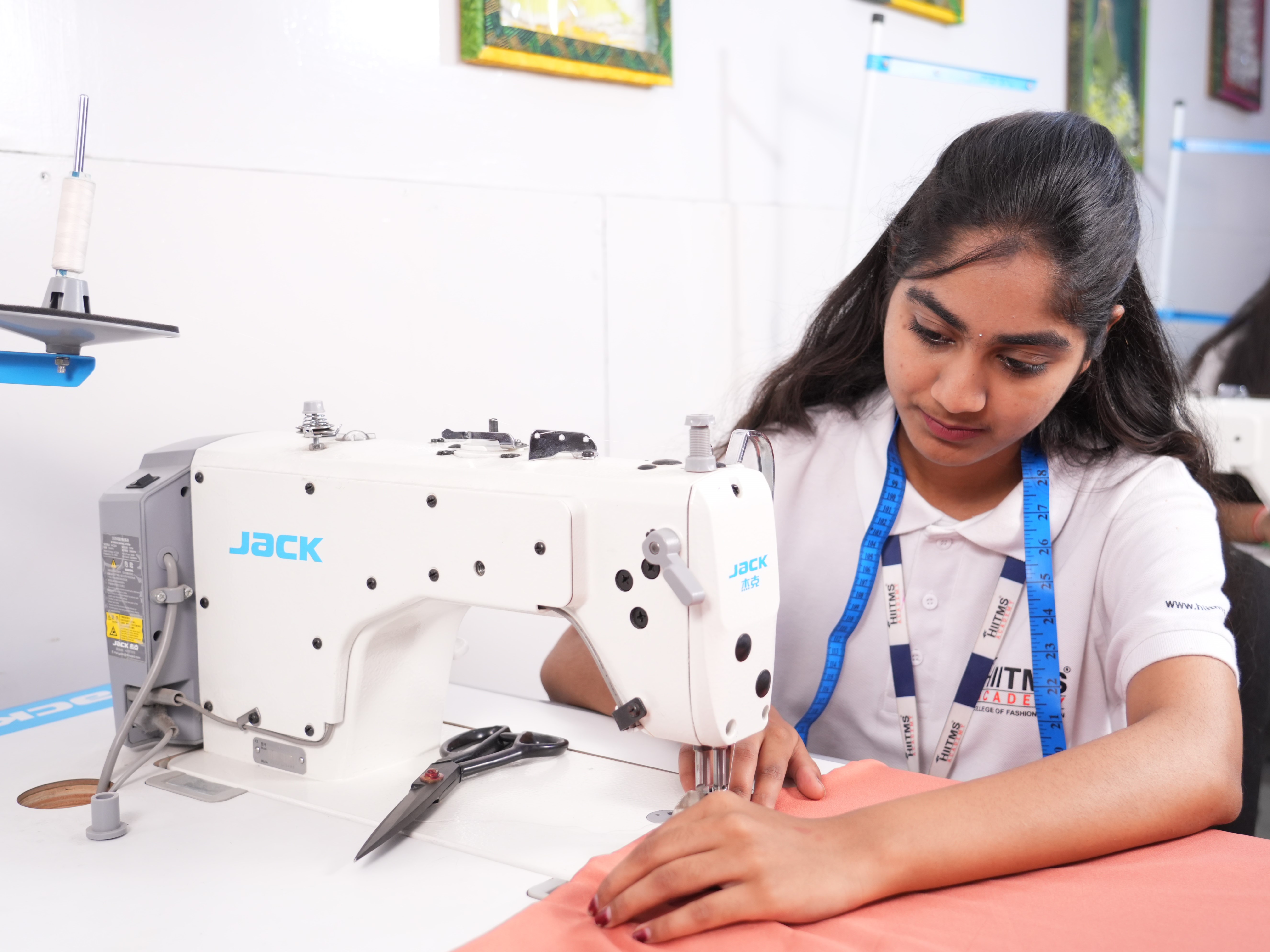
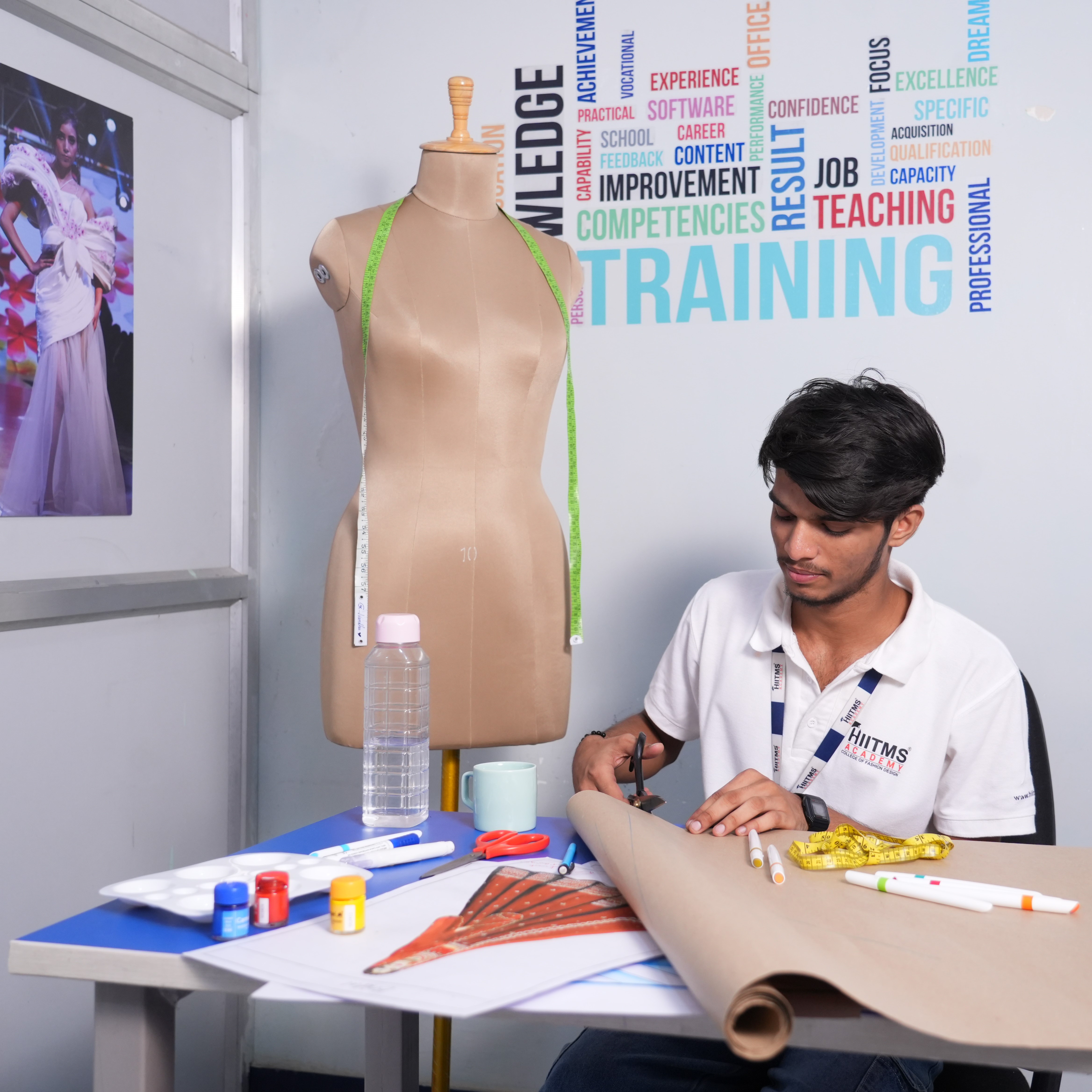
In the second year (Intermediate Level), students deepen their skills by applying foundational knowledge to more complex projects. The curriculum shifts toward advanced illustration, precise pattern drafting and draping, garment construction with tailoring details, textile manipulation (printing, dyeing, embroidery), trend forecasting, and digital tools like CAD. This stage encourages personal style development, market awareness, and integrated design projects — preparing students for specialization in areas such as sustainable fashion, couture, or ready-to-wear while building professional-level proficiency.
Year 2 marks a significant shift from exploration to refinement. Students begin to develop a signature style while tackling more ambitious projects such as mini-collections, thematic garments, and trend-inspired designs. The curriculum introduces complexity — from pattern grading for different sizes to surface treatments like block printing or appliqué — allowing learners to experiment with creativity within technical constraints and prepare for specialization in later years (e.g., womenswear, menswear, sustainable design, or accessory design).
This intermediate stage emphasizes precision and problem-solving. Students learn to troubleshoot fit issues, adjust patterns for body variations, and execute clean finishes that meet industry standards.